Why Your Mechanic Needs a Deposit to Order Parts
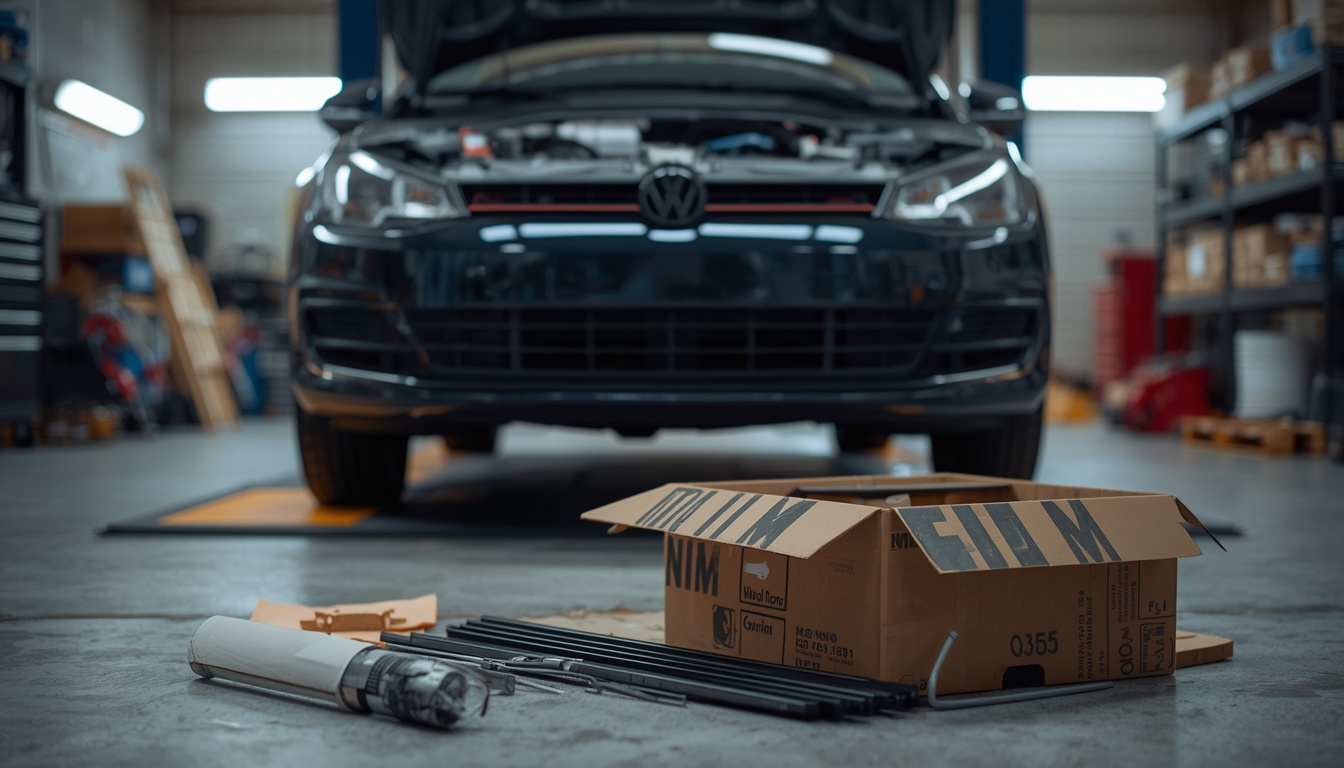
An apprentice is standing at the parts counter holding a printout. The part is right, the price is confirmed, and the supplier is ready to pull it. Then the workshop phone rings and the job is cancelled. The part gets returned, maybe, or it sits on a shelf waiting for a customer who never comes back. That scenario happens every week in workshops across Australia. It is why the next time a mechanic rings you about your car, the conversation might include a deposit request before anything gets ordered.
The phrase mechanic deposit parts order Australia gets searched thousands of times because car owners are not always sure if the ask is fair, standard, or a red flag. The short answer is that it is almost always fair, and understanding why will save you a future argument and possibly a few hundred dollars.
Why does a workshop ask for a deposit on parts at all?
Workshops do not warehouse most parts. They order them specifically for your vehicle when you book the job. That means the moment they place the order, they are carrying the cost.
Parts suppliers in Australia do not always accept returns, particularly for items that are vehicle-specific. Electrical components, engineered-to-fit items, and anything imported can be sold as final sale. If you cancel the job after the part arrives, the workshop is holding stock they may never use and a bill they have already paid.
The deposit closes that gap. It is not a sign of distrust. It is the same logic as a builder asking for materials money before they break ground. The part is already paid for. Just not by them, until someone commits.
What kinds of parts usually trigger a deposit request?
Not every part needs a deposit. A standard oil filter or a set of wiper blades will come off the shelf and go back on the shelf if your appointment changes. The parts that generally require a deposit upfront share a few characteristics.
- High-value components. Turbos, injectors, transmission parts, and anything above a few hundred dollars in cost. The workshop cannot absorb a cancellation at that price point.
- Rare or slow-moving stock. Parts for older vehicles, European marques, or anything not held locally. Suppliers order these in from interstate or overseas, and returns are rarely possible.
- Electrical and programmed parts. Once a module is coded or an ECU is opened from its packaging, most suppliers will not take it back. The workshop has no choice but to protect themselves before the order goes in.
- Imported or long-lead items. If a part is coming from Japan, the US, or the UK, it can be on a boat for weeks. The workshop needs certainty before committing that order.
Does a deposit protect the car owner, or just the workshop?
Both, genuinely.
When you pay a deposit, you are creating a paper trail. There is now a documented agreement about what part is being ordered, what it costs, and what job it is for. That paper trail is your protection if anything goes wrong later, whether the wrong part arrives, the job takes longer than quoted, or there is a dispute about what was agreed.
Under Australian Consumer Law, if a part is faulty or not fit for purpose, you have rights to a remedy. The starting point for any claim is having the receipt and the original order documented. A deposit that comes with a written authorisation is evidence. A verbal agreement is not.
Always ask for written confirmation of what has been ordered, the part number, the price, and the expected arrival date, before you transfer any money.
The old way vs. the right way: what a good deposit process looks like
| The old way | The right way |
|---|---|
| Verbal agreement over the phone | Written quote with part number and price sent to you before you pay |
| Cash deposit with no receipt | Invoice or receipt issued immediately, showing amount paid and balance owing |
| No timeline given for part arrival | Expected lead time confirmed in writing at the time of order |
| Cancellation terms never discussed | Workshop explains upfront whether the part is returnable and what happens if the job changes |
| Deposit lives in the workshop's head | Deposit is recorded against your job and visible on your final invoice |
The verdict is straightforward. A deposit in itself is not a red flag. A deposit without documentation is.
What are your rights if the job does not go ahead?
This is the part most car owners never ask about until they need to know.
If you cancel the job after the part has been ordered and the workshop cannot return it, they are generally entitled to keep the deposit to cover their cost. That is a reasonable commercial position and broadly consistent with Australian Consumer Law principles on losses from cancellation.
If the workshop cancels, or cannot complete the job, or the wrong part arrives through their error, you are generally entitled to your deposit back in full. The documented order is again your best friend here.
For specific advice about your situation, your state's fair trading office is the right starting point. Consumer Affairs Victoria, NSW Fair Trading, and their equivalents in each state all publish plain-English guidance. Check with them directly rather than relying on anyone else's interpretation of your specific circumstances.
A red flag worth knowing
There is one situation where a deposit request should make you pause. If a workshop asks for a large upfront payment before they have given you a written quote, before they have inspected the vehicle, and before they can name the specific part number they are ordering, that is worth querying. A legitimate deposit request follows a legitimate quote. If the quote comes after the money, the process is backwards.
Ask to see the quote first. A good workshop will not hesitate.
Where records go missing and why it matters later
Here is the part nobody talks about at the time. You pay a deposit, the job gets done, and the final invoice goes into your email or glove box. Then twelve months later you are selling the car and someone asks for the service history. The invoice that shows what was replaced and when is the invoice you cannot find.
Documented service history adds real value at resale. The gap between a car with provable records and one without is not small. That deposit receipt, the parts invoice, the labour summary, all of it adds up to proof that the car was maintained properly.
This is where keeping everything in one place pays off. Meckly is free for car owners to use with any participating workshop, and it keeps every invoice, every service record, and every parts receipt in a single account instead of scattered across email threads and shoeboxes. If you ever need to find the receipt for a specific job, it is there.
Frequently asked questions about mechanic deposits and parts orders in Australia
Is it normal for a mechanic to ask for a deposit before ordering parts in Australia?
Yes, it is standard practice across Australian workshops. Parts are ordered specifically for your vehicle and cannot always be returned once purchased. A deposit covers the workshop's outlay if the job falls through.
How much deposit should a mechanic ask for?
Most workshops ask for somewhere between 50% and the full cost of the part, depending on value and availability. A rare or imported part will often require full payment upfront because the workshop carries all the risk if you cancel.
What are my rights under Australian Consumer Law if a part is wrong or faulty?
Under Australian Consumer Law, if a part is faulty or not fit for purpose, you are generally entitled to a remedy from the supplier or the workshop. A receipt and documented order are your best protection. Always keep your invoice and check with your state's fair trading office if there is a dispute.
Can I lose my deposit if I cancel the job?
Generally yes, if the part has already been ordered and cannot be returned, the workshop is entitled to retain the deposit to cover their cost. The specific terms should be made clear before you authorise the order, so always ask before you agree.
What happens if the workshop cannot source the part after taking a deposit?
If the workshop cannot deliver the part or complete the job through no fault of yours, you are generally entitled to a full refund of the deposit under Australian Consumer Law. Get the arrangement in writing at the time you pay.
How do I keep track of deposits and invoices across different workshops?
Most car owners end up with receipts spread across their email, glove box and phone photos. A free account with a tool like Meckly lets you keep every invoice from every shop in one place, so nothing gets lost before you need it.
The apprentice at the parts counter was holding a printout for a job that had every chance of going sideways. The deposit request that follows a clear written quote is the thing that stops that from becoming your problem. It is not awkward. It is the process working the way it should.